Your hallway sets the tone for the entire home. It’s the first space you see when you walk through the door — and often the hardest working. Muddy shoes, heavy foot traffic, prams, pets and daily wear all take their toll, which is why choosing the right hallway floor tiles matters far more than most homeowners realise.
Get it right, and your hallway will look great for years with minimal upkeep. Get it wrong, and you’ll be battling marks, chips and constant cleaning. This guide explains how to choose hallway tiles that are practical, durable and stylish — without overcomplicating the decision.
Why Tiles Are One of the Best Flooring Choices for Hallways
From real-world experience, hallways are one of the most demanding spaces in any UK home. Unlike living rooms or bedrooms, the floor takes direct impact from outdoor dirt and moisture, often concentrated in a narrow area.
Tiles perform exceptionally well here because they are:
-
Hard-wearing and scratch-resistant
-
Easy to clean, even with muddy footprints
-
Moisture-resistant, ideal for British weather
-
Long-lasting, maintaining appearance over time
Unlike carpet or some wood floors, quality floor tiles don’t trap dirt or odours and won’t need replacing every few years.
Porcelain vs Ceramic Tiles for Hallways
This is one of the most common questions homeowners ask — and the answer is clear in most cases.
Porcelain tiles are the better option for hallways. They’re denser, stronger and less porous than ceramic, making them more resistant to wear, moisture and temperature changes. In busy homes, porcelain simply lasts longer.
Ceramic tiles can work in lighter-use areas, but for main entrances and through-routes, porcelain is the safer long-term choice.
Choosing the Right Finish: Matt, Polished or Textured
Finish is just as important as the tile material.
Matt tiles are the most practical for hallways. They hide dust, reduce glare and offer better slip resistance — especially important in wet weather.
Polished tiles create a high-end look, but they show footprints more easily and can be slippery near entrances. If you love the look, consider using entrance mats to protect the surface.
Textured or stone-effect tiles provide extra grip and disguise everyday dirt extremely well, making them ideal for family homes or properties with pets.
Tile Size Matters More Than You Think
Tile size has a huge impact on how a hallway feels.
-
Large format tiles (600×600mm or larger) create a clean, modern look and reduce grout lines, making the space feel wider and less cluttered.
-
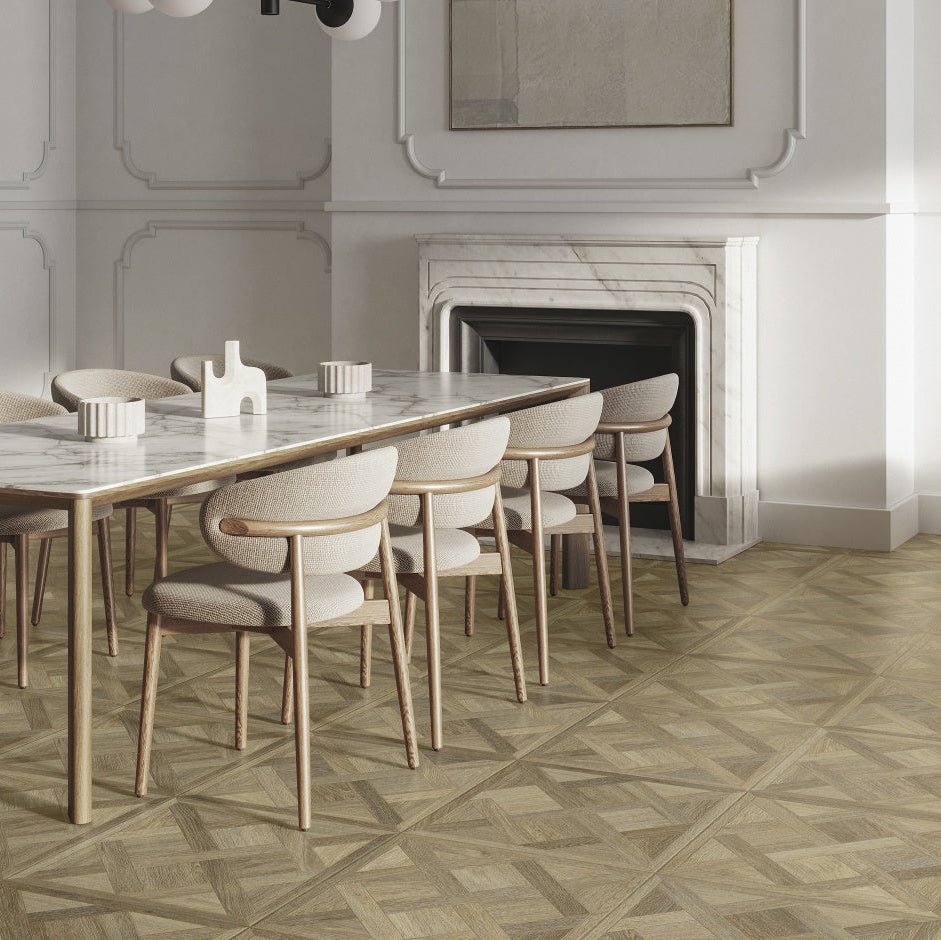
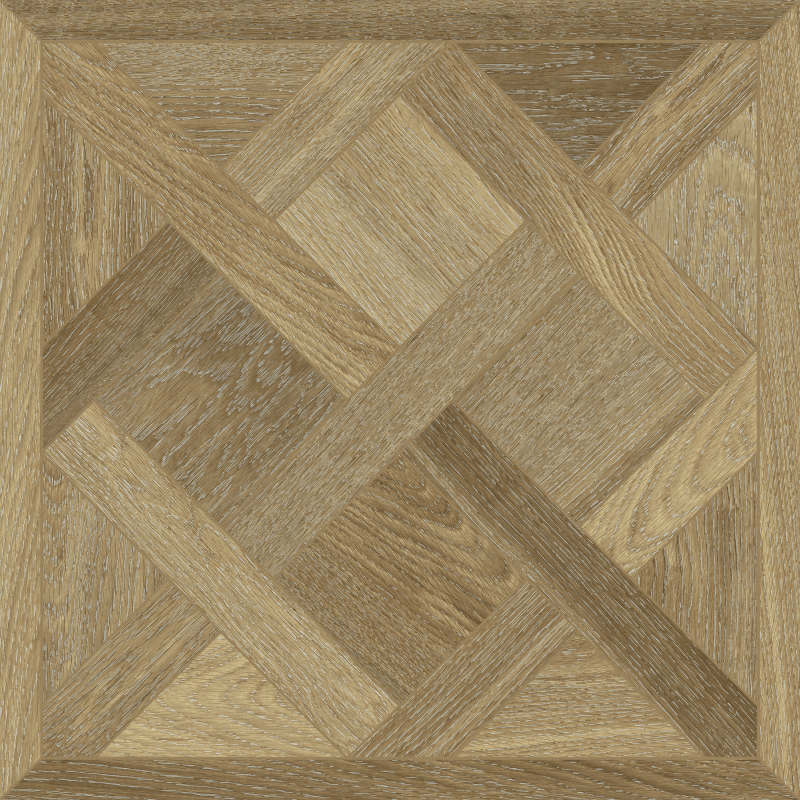
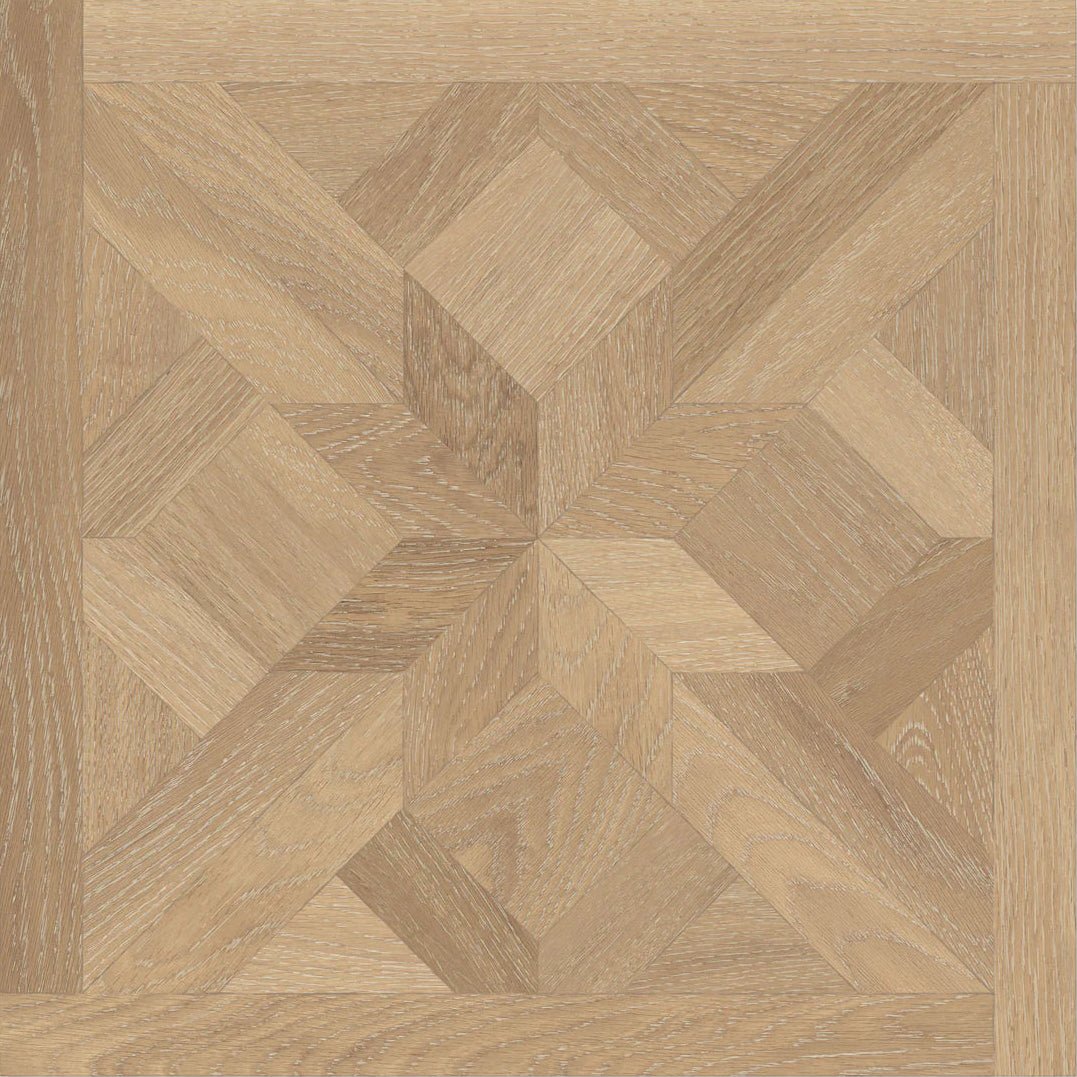
Smaller tiles or patterned layouts work beautifully in period properties, especially Victorian or Edwardian homes, where character is part of the appeal.
-
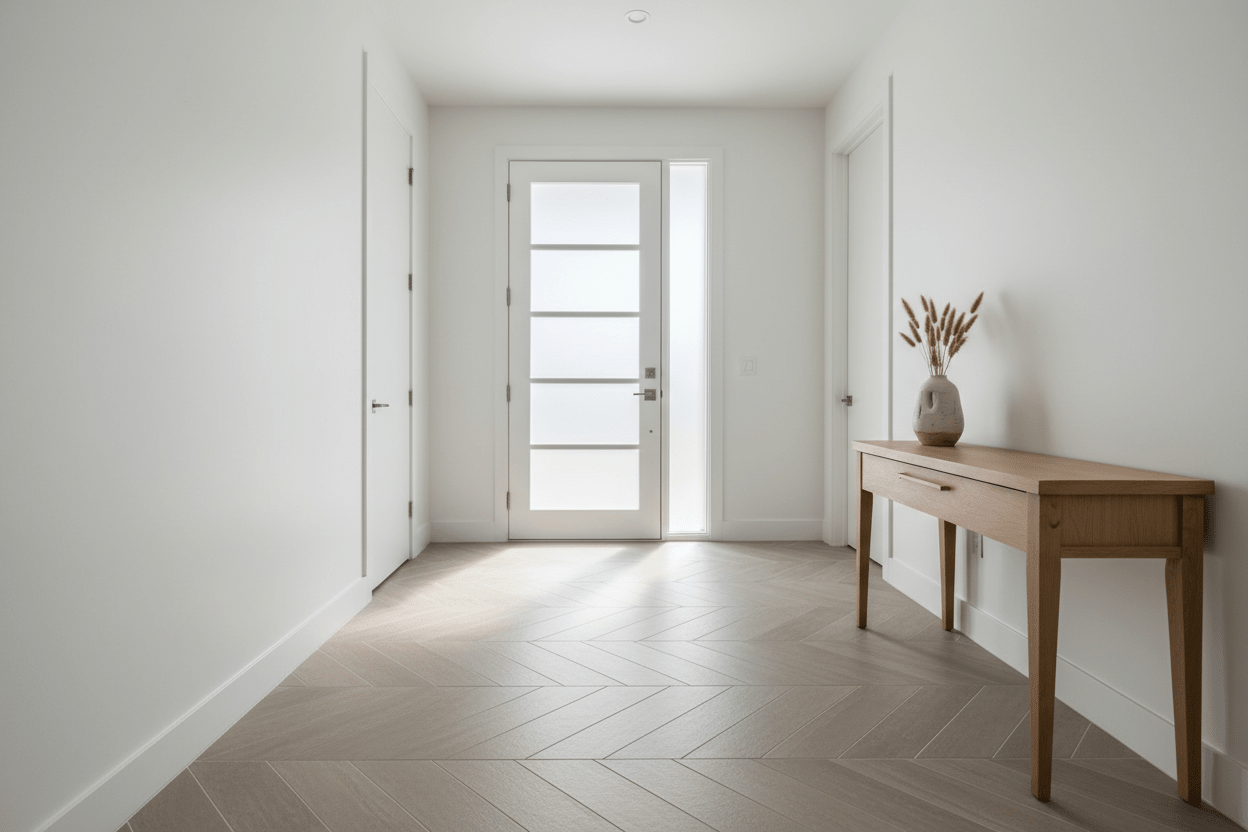
Plank-style tiles laid lengthways can visually elongate narrow hallways.
In tight spaces, fewer grout lines generally make cleaning easier and the space feel calmer.
Slip Resistance: A Non-Negotiable for Hallways
Hallways are often the wettest internal floor in the house. Rain, snow and damp shoes mean slip resistance is essential.
Look for tiles with a slip rating suitable for internal floors, particularly near external doors. A subtle textured or matt finish usually offers enough grip without feeling rough underfoot.
This is especially important in family homes or properties with elderly residents.
Colour Choices That Actually Work in Hallways
While light tiles look great in showrooms, hallways tell a different story.
From experience, mid-tone and slightly darker tiles are far more forgiving. They hide dust, footprints and everyday wear while still keeping the space bright.
Popular hallway tile colours include:
-
Soft greys and warm greige tones
-
Natural stone effects
-
Concrete-look tiles
-
Patterned tiles with subtle variation
Pure white tiles can work, but they demand more cleaning — something many homeowners underestimate.
Patterned Hallway Tiles: Style Without Compromise
Patterned tiles are making a strong comeback in UK hallways — and for good reason. They add personality to an otherwise functional space and disguise wear exceptionally well.
Victorian-style patterns, encaustic-look designs and subtle geometric tiles work particularly well in entrances and through hallways. They’re also ideal for creating a defined zone near the front door before transitioning to plainer tiles beyond.
Used thoughtfully, patterned tiles become a feature rather than a risk.
Underfloor Heating and Hallway Tiles
Hallways can feel cold, especially in older properties. Tiles pair perfectly with underfloor heating, helping regulate temperature and remove cold spots.
Porcelain tiles conduct heat efficiently and retain warmth well, making them a practical and comfortable option year-round. If you’re renovating, it’s worth considering at the planning stage — retrofitting later is far more disruptive.
Installation Tips That Make a Real Difference
Even the best tiles won’t perform properly if they’re poorly installed. A few practical points homeowners should always consider:
-
Ensure the subfloor is level and stable — uneven floors cause long-term problems.
-
Use quality adhesive and grout suitable for high-traffic areas.
-
Choose a grout colour that complements the tile and hides dirt.
-
Allow for movement joints in longer hallways to prevent cracking.
These details aren’t glamorous, but they’re what keep a tiled hallway looking good years down the line.
Final Thoughts: Choosing Hallway Tiles That Last
Hallway tiles should never be chosen on looks alone. The best hallway floors balance durability, slip resistance, ease of cleaning and style.
Porcelain tiles with a matt or lightly textured finish, in forgiving colours and sensible sizes, are consistently the most successful choice for UK homes. Whether you prefer modern minimalism or classic patterned floors, there’s a tile solution that can handle daily life without constant upkeep.
At Tile&BathCo, we help homeowners choose hallway tiles that don’t just look good on day one — but still perform years later. If you’re planning a renovation and want practical advice tailored to your home, our team is always happy to help.